
Internet City · Media City · TECOM towers · Metro corridor
F&B Marketing
in Barsha Heights.
Dubai's tower-dense business cluster. 80,000+ weekday office workers, young- professional residents in the evenings, metro-connected, delivery-heavy. Weekday lunch dayparts, corporate catering outreach, and bilingual EN + AR content tuned for the real TECOM audience, not Marina lifestyle pasted sideways.
Six Barsha Heights-specific levers
The weekday-office dirham, won properly.
Weekday-lunch daypart dominance
12:00-14:00 is 35-45% of a TECOM operator's revenue. Content and promotions calibrated for the 30-minute lunch decision window. Grab-and-go bundles, express-lunch menus, lunch-pre-order push via WhatsApp.
Post-work evening programming
19:00-22:00 Thursday-Friday is the second peak. Social and events content, happy-hour promotions for licensed venues, Thursday-night-out positioning aligned to Dubai's work week.
Office-building and corporate catering outreach
Direct outreach to Dubai Internet City and Dubai Media City office administrators, HR managers at tech and media firms, pantry co-ords. Recurring corporate catering drives 20-35% of revenue ceiling.
Google Maps + GBP with heavy 'near Internet City / Media City' intent
'Lunch near Internet City', 'delivery Media City', 'restaurant Barsha Heights TECOM'. GBP tuned per sub-cluster, weekly posts, Q&A populated for weekday-specific queries.
Delivery discipline on all four platforms
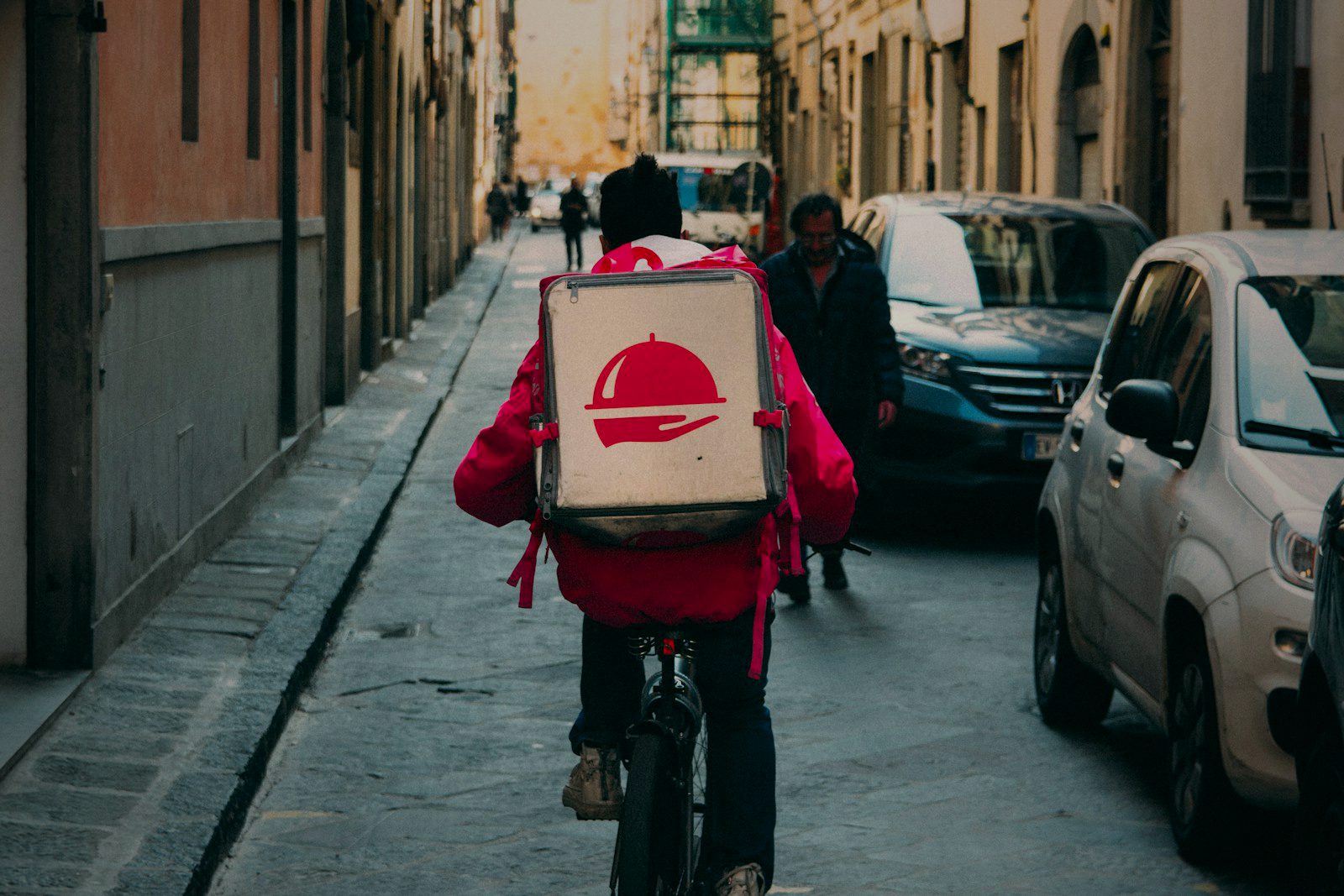
Talabat and Deliveroo primary for office delivery. Noon Food lighter here. Careem Food solid on late-evening resident orders. Platform-specific listing structure, sponsored-placement bidding tuned per daypart.
Bilingual EN + AR for diverse expat mix
The TECOM resident mix includes Arab, Indian, Filipino, Pakistani and Western expats. Native Arabic content for Arab-speaking residents and GCC visitors. Not a translation layer; native copywriting in both languages.
Common questions
Questions, answered
Barsha Heights (also known as TECOM or TECOM A) is a tower-dense business cluster inside the Dubai Internet City / Dubai Media City office belt. The weekday audience is 80,000+ office workers, the evening audience is young-professional residents (mid-twenties to mid-thirties, mix of Western, Arab, Indian, Filipino expats). Marketing is weekday-lunch-dominant (12:00-14:00), post-work-dinner-dominant (19:00-22:00), and weekend-biased lighter than residential clusters. Delivery is heavy. Marina destination positioning does not translate; weekday office economics do.
The full TECOM footprint: the Barsha Heights residential tower belt (Mesk, Royal, Al Fahad residential clusters), the Dubai Internet City office concentration, the Dubai Media City office concentration, the Al Thanyah / Al Barsha border traffic, the Knowledge Village F&B overflow, and the metro-connected corridor around Nakheel Harbour & Tower station. Each sub-cluster has its own economics; office belt is lunch-heavy, resident belt is evening-and-weekend-heavy.
Weekday lunch content calendar (brief, discovery-friendly, sub-15-minute-decision content) Monday-Thursday. Post-work evening content Thursday-Friday. Instagram is primary for the young-professional audience (60-65% of effort). Google Maps and GBP strong secondary with heavy 'lunch near Internet City', 'dinner Barsha Heights', 'delivery Media City' intent. WhatsApp retention for repeat-office-order corporate accounts. Talabat and Deliveroo lead; Noon Food lighter here.
Independent cafes and QSR concepts: AED 5,000-11,000 per month retainer, plus AED 6,000-15,000 media. Full-service restaurants with office-catchment positioning: AED 8,000-18,000 retainer, AED 10,000-25,000 media. Multi-outlet concepts using TECOM as a satellite: AED 15,000-32,000. Media spend lifts for operators serving Internet City / Media City corporate catering. Full bands on /pricing/.
Yes, materially. The Dubai Internet City and Dubai Media City office cluster drives recurring corporate-catering demand (team lunches, event catering, daily office-lunch subscriptions for operators with the capacity). A specialist agency builds outreach to office-building administrators, HR managers at tech and media firms, and office pantry co-ords; operators who treat corporate catering as an afterthought miss 20-35% of their natural revenue potential.