
Villa belt · Azizi apartments · Metro corridor · Discovery Gardens border
F&B Marketing
in Al Furjan.
One of Dubai's fastest-growing family residential clusters. Resident-first local SEO, WhatsApp retention, delivery-platform discipline, metro-commuter positioning, and bilingual EN + AR content built for the real Al Furjan audience.
Six Al Furjan-specific levers
The family dirham, won across villa and tower.
Villa-vs-apartment creative split
Villa belt is family-brunch heavy, Saturday social, dinner-out-of-house. Apartment belt is weeknight dinner, delivery-first, late-night order. Two creative tracks, two audiences, one operator.
Metro-commuter morning + evening rush
Al Furjan Metro station drives commuter dayparts. Grab-and-go 6:30-9:30am, dinner takeaway 6:30-9:30pm. Content and offers tuned for operators within a 500m walk; everyone else ignores this revenue.
Google Maps + GBP per sub-cluster
'Family restaurant Al Furjan villas', 'delivery near Azizi Riviera', 'cafe near Al Furjan Metro'. GBP tuned per sub-cluster, weekly review generation, local pack targeting disciplined.
Bilingual EN + AR native content
Resident mix leans Arabic-speaking (especially South Asian and Arab families). Native Arabic writers from day one, Khaleeji dialect for UAE residents, menu translation done properly.
WhatsApp retention + community-group integration
Family villa WhatsApp communities, Azizi tower resident groups, Al Furjan parents-and-schools networks. Opt-in broadcast lists, weekly menu updates, respectful community integration where permissions allow.
Delivery mix tuned to high-volume residential
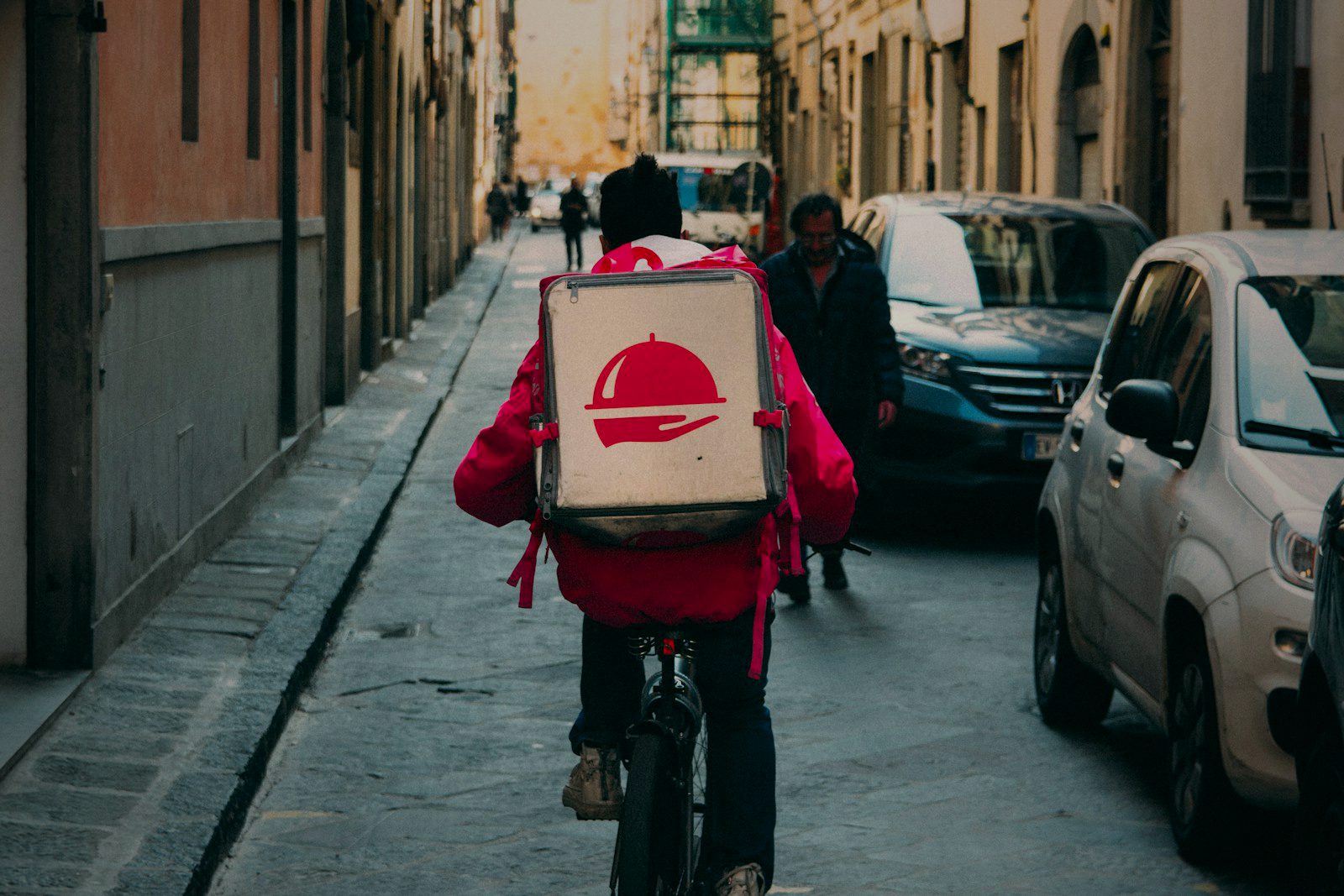
Talabat and Deliveroo primary for both sub-clusters, Noon Food for Azizi apartments, Careem Food steady on metro-corridor orders. Platform-specific listing structure, daypart-tuned promo cadence.
Common questions
Questions, answered
Al Furjan is one of Dubai's fastest-growing residential clusters: family villa belt, modern apartment belt (Azizi towers specifically), strong South Asian and European expat mix, metro-connected (Al Furjan station on Route 2020), and a resident base that leans on delivery at a higher rate than destination districts. Marketing is resident-first, bilingual, delivery-dense, and family-weighted. Marina lifestyle positioning does not work here; honest-value family content does.
The full Al Furjan footprint: the main villa belt (Quortaj, Masakin, Dubai Style villas), the Azizi apartment belt (Royal Bay, Riviera, Daisy and adjacent towers), the Metro-adjacent corridor around Al Furjan station, and the Discovery Gardens / Jebel Ali Village borders that share F&B demand. Each sub-cluster has its own economics; the villa belt is family-brunch heavy, the apartment belt is delivery-dense.
Google Maps + Google Business Profile is primary (60-70% of effort), with sub-cluster-specific keyword targeting. Instagram is family-safe and multi-language. WhatsApp broadcast lists for repeat families outperform most paid social. Talabat and Deliveroo are strong primary delivery platforms; Noon Food and Careem Food matter for the Azizi apartment belt specifically. Bilingual EN + AR is non-negotiable because the resident mix leans Arabic-speaking.
Independent cafes and casual restaurants: AED 5,000-11,000 per month retainer, plus AED 5,000-15,000 media. Full-service family restaurants: AED 7,000-17,000 retainer, AED 10,000-22,000 media. Multi-outlet concepts using Al Furjan as a residential anchor: AED 15,000-32,000 retainer. Media spend lifts for operators serving the Expo City and JAFZA business overflow. Full bands on our pricing page.
Yes, but under-leveraged. The Al Furjan Metro station on Route 2020 brings in commuter traffic from JAFZA, Expo City, and the broader Jebel Ali business zone, creating a weekday grab-and-go morning rush (6:30-9:30am) and a weekday evening dinner rush (6:30-9:30pm). Operators within a 500m walk of the station materially benefit from metro-commuter positioning and content. Most Al Furjan F&B marketing ignores this; the specialists work it deliberately.