
Case study · US fast-casual brand · UAE market entry
A US brand,
localised for the UAE.
An established US fast-casual brand entering the UAE through a Dubai master franchisee. The risk was obvious: being read as another American import. The brief was to land as a UAE brand with American DNA, not an American brand with a UAE address. Here is how we ran it.
The brief
Not another American import.
Dubai has seen plenty of US F&B brands land with the international-brand playbook and underperform because they never adapted the voice, menu localisation, or media calendar for an Arabic-speaking GCC audience with a specific dining rhythm. The master franchisee had done the hard commercial work (location, lease, fit-out, team hire) and was clear that the marketing could not simply port the US brand kit into Dubai.
The ask was to build a UAE-specific marketing expression of the parent brand: faithful to its American product and voice where that was the asset, adapted where it was the liability. Bilingual from day one. Daypart calendar tuned to Dubai's dining rhythm, not the US rhythm the brand had optimised for. Delivery platforms treated as serious revenue channels from launch. Ramadan planned twelve months out. GCC visitor windows weighted in the annual media calendar.
The approach
Five decisions that changed the trajectory.
01 · Brand localisation workshop before any campaign
Full audit of the US brand kit against UAE audience expectations. Decisions documented explicitly: which visual codes to keep (the ones that signal the product authentically), which to adapt (voice tone, menu descriptors, call-to-action language), which to replace (US-centric cultural references, imagery that would feel distant). The franchisee had a written UAE brand playbook before we spent a dirham on media.
02 · Bilingual English + Arabic from launch day
Native Arabic writers on the team from pre-launch. Menu bilingually written, not translated. Ad creative shot in both languages simultaneously, not dubbed. GBP posts and WhatsApp retention in Arabic from week one. Khaleeji dialect for UAE residents and GCC tourists. This alone meaningfully changed how the brand was received relative to US-import competitors.
03 · Delivery-platform burst on launch
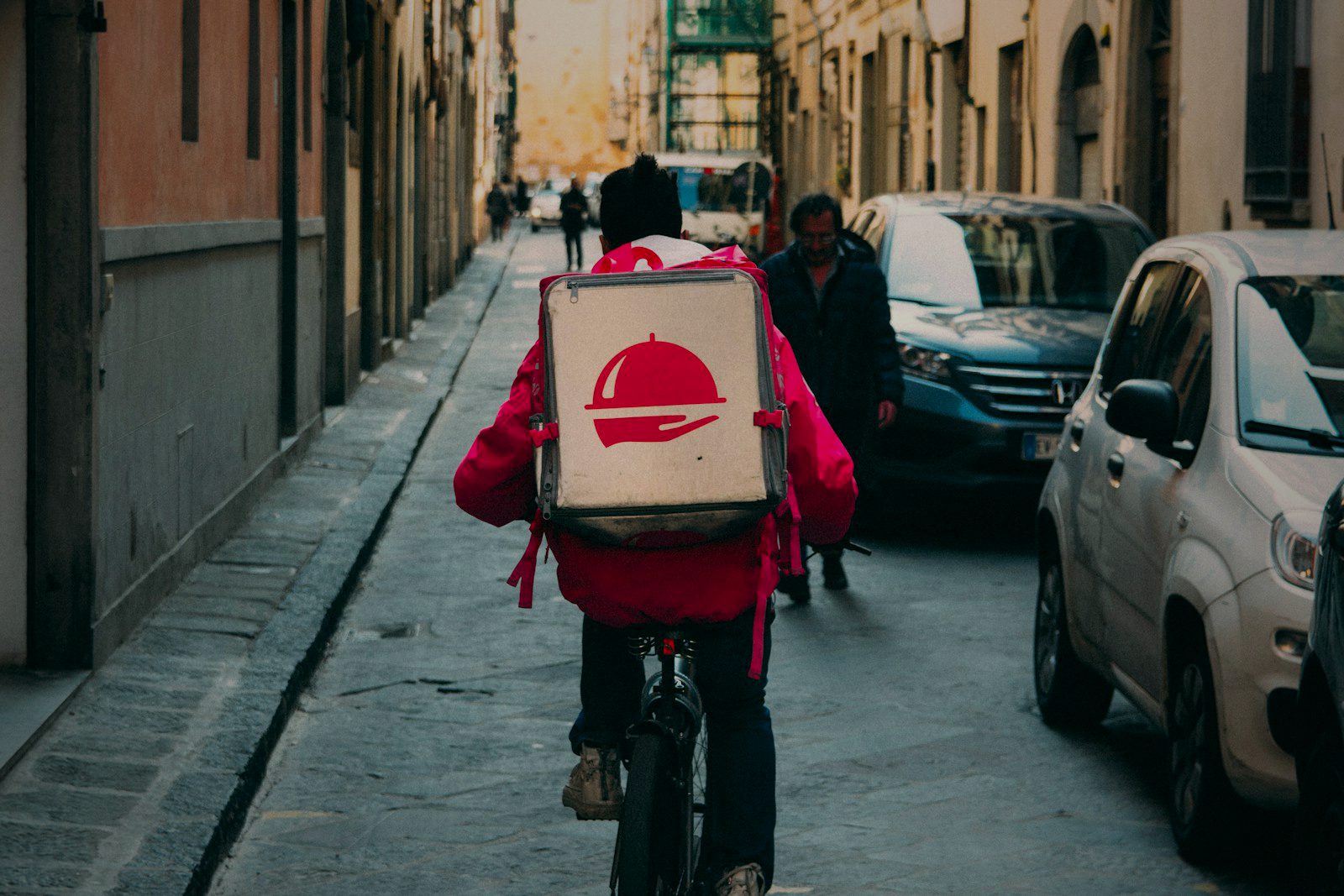
All four Dubai delivery platforms live on day one with production-grade photography, platform-specific menu-item naming, and sponsored-placement campaigns ready for immediate trading. Launch-week promotional cadence tuned per platform algorithm. Review-recovery SLA built into kitchen ops. The delivery channel contributed from the first week instead of taking three months to warm up.
04 · GCC visitor-cycle media calendar
Annual media plan weighted to Dubai's audience density calendar: October-November premium bids, Ramadan-specific creative built by February, summer-departure budget shift from June to August, GCC visitor overlay windows (DSF, WGS, Gulfood) planned in advance. The franchisee's media spend landed where the audience was, which for a US-brand entry made a material difference versus a flat always-on schedule.
05 · UAE creator programme, not US influencer tactics
Dubai creator partnerships built on relevance to the target cluster, not raw follower count. UAE food creators who already had credibility with the target audience brought the brand into their communities on their terms. Attribution-first (unique codes, trackable links) so the programme could be evaluated on attributed covers and delivery orders, not reach. Underperforming partnerships ended quarterly; overperforming ones scaled.
What happened
The brand landed as a UAE brand.
The launch did not read as another American import. Early-week reviews, local creator coverage, and the Arabic audience engagement in the first month all tracked closer to an established regional brand than a new overseas entrant. The master franchisee was able to open the first outlet on a trajectory that supported the business case for further UAE expansion, which was the entire commercial point of getting the launch right.
The approval for additional UAE outlets came faster than the franchisee had modelled in their original business case. The parent brand's international team adopted elements of the Dubai localisation playbook for subsequent GCC market entries. The master franchisee is now the regional operator for the brand across a growing UAE footprint, with the marketing infrastructure in place to scale cleanly instead of rebuilding per opening.
The operator-facing lesson: overseas F&B brands entering Dubai win or lose on localisation in the first ninety days. The brands that port their home-market kit and run flat media spend to see what sticks learn an expensive lesson. The brands that treat localisation as a strategic project up-front land as regional players and scale on that trajectory.
What transfers to other overseas brands
The playbook for franchise launches in Dubai.
- Localisation workshop first. Media second.
- Native Arabic from launch day, Khaleeji dialect for UAE residents.
- Preserve the brand's authentic product codes; adapt the welcome mat.
- Delivery platforms live on day one across all four Dubai platforms.
- GCC visitor-cycle media calendar, not flat always-on US-market schedule.
- UAE creators chosen for relevance, not follower count, with attribution.
- Ramadan planned twelve months out; summer-departure budget shifted deliberately.
- Franchisee owns every ad account and asset; parent brand retains its brand kit.