
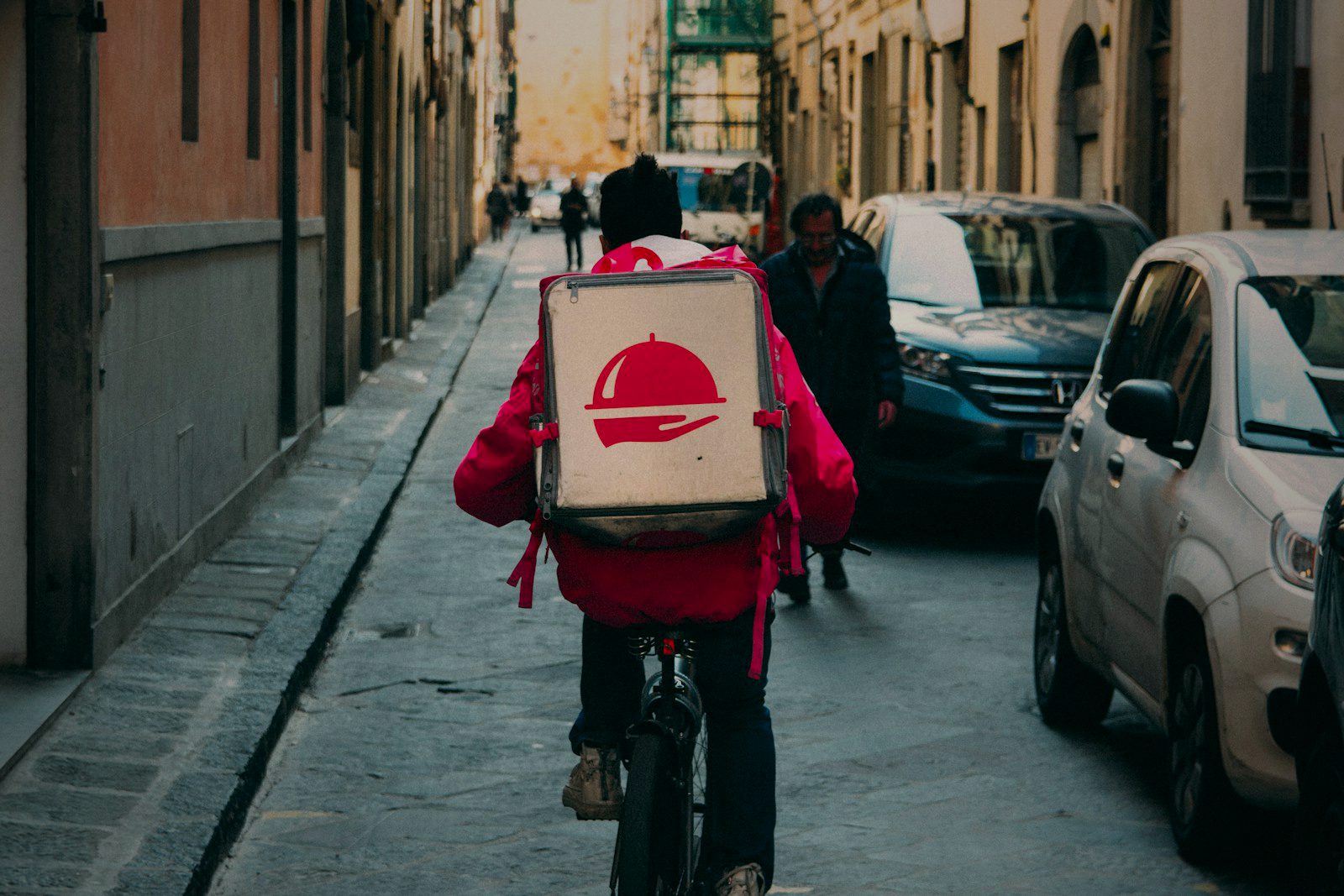
Case study · Japanese specialty concept · Tokyo → Dubai
A Tokyo brand,
native in Dubai.
Tokyo-born specialty concept entering the UAE market for the first time. No Dubai audience, no local review history, no bilingual content, and the common risk for overseas brands: landing in Dubai as a visually-translated version of themselves instead of a brand that actually feels at home. The operator wanted a clean launch, not a soft one. Here is how we ran it.
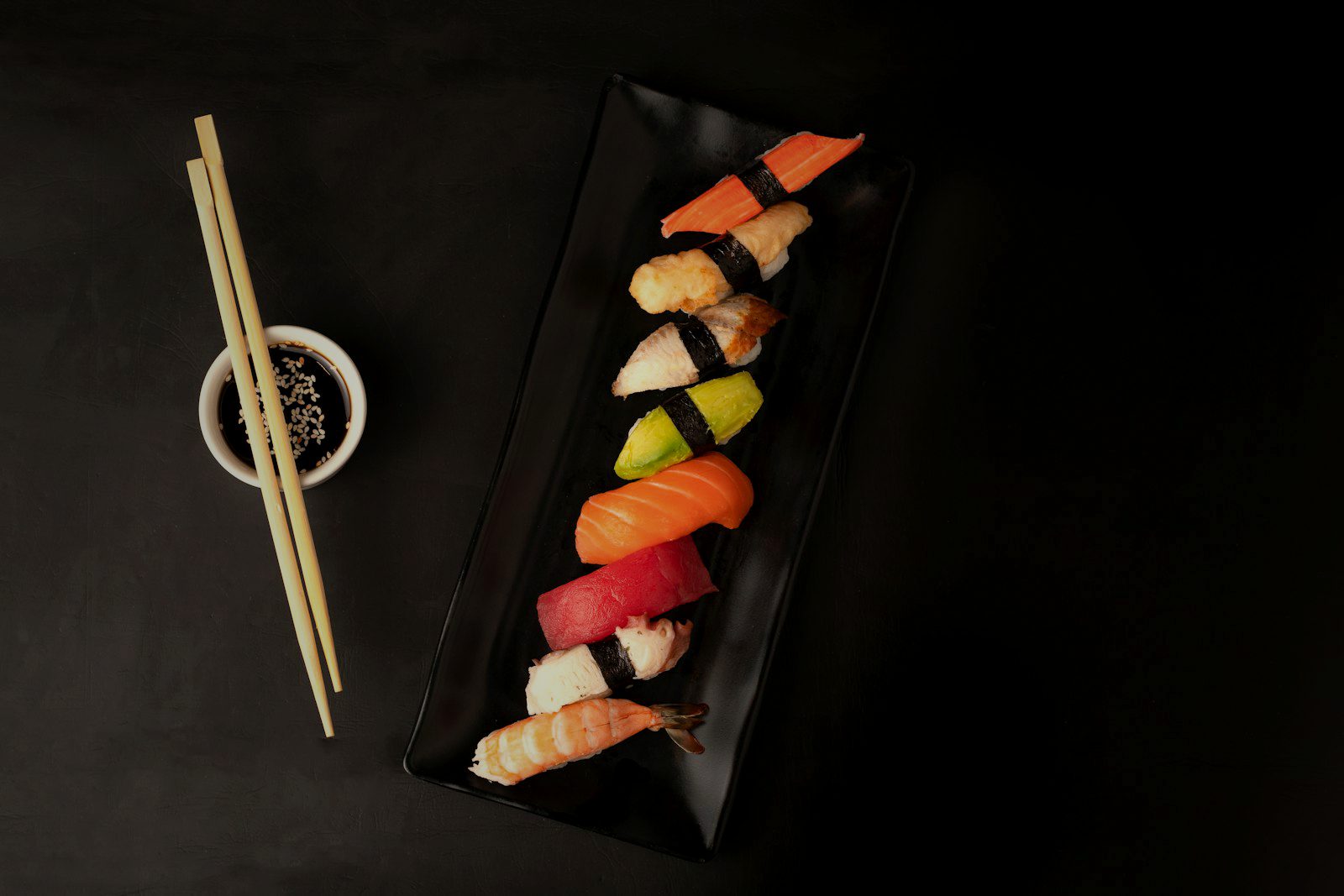
The brief
Enter a new market without feeling imported.
The operator had a clear Japanese brand identity, product confidence, and full operational readiness from the Tokyo side. What was missing was everything UAE-local: no Dubai Google Business Profile, no Instagram audience in the region, no Arabic content, no delivery-platform footprint, and no local creator relationships. The common failure mode for overseas F&B brands entering Dubai is to open cold and rely on curiosity traffic that tapers in week six. The operator was clear they wanted the opposite trajectory.
The second concern was cultural translation. Japanese brands entering Dubai often either over-translate (losing the Japanese voice that was the actual product) or under-translate (feeling foreign and distant to UAE residents). The brief was to find the voice that preserved the Tokyo DNA and felt genuinely welcoming in an Arabic and English market.
The approach
A sixteen-week pre-launch, built properly.
01 · Sixteen-week pre-launch runway
Not the six-week emergency most new openings run. Weeks -16 to -12: brand presence online, GBP seeded, Instagram established, website live. Weeks -12 to -8: teaser content programme, fit-out progress reels, team hire moments, chef spotlights from Tokyo. Weeks -8 to -4: soft-launch invitee list built from Dubai lifestyle media and specialty-food creators. Weeks -4 to 0: full media activation and first customer-facing push. By opening day, the brand had an audience.
02 · Cultural translation, not visual translation
Japanese brand codes (typography, product photography style, menu structure, ritual around service) preserved deliberately. Arabic and English voice layered on top as welcome mats, not replacements. The brand did not pretend to be Emirati, it did not pretend to be international; it was a Tokyo concept being a gracious guest in Dubai. That framing solved the cultural-translation problem on the first content push and we never needed to revisit it.
03 · Bilingual English + Arabic from day one
Native Arabic writers on the team from week minus-sixteen. Menus written bilingually, not translated. Captions, ad creative, GBP posts, and WhatsApp retention content produced in Arabic from the brief. Khaleeji dialect choices made deliberately for UAE audiences. The Arabic community engaged earlier and warmer than an English-first launch would have produced.
04 · Delivery-platform launch sequence
Talabat and Deliveroo listings drafted during soft-launch so photography was production-grade on launch day, not phone-shot in the opening week. Menu-item naming and category tagging optimised per platform. Early-reviewer outreach built in from the first week of trading. The delivery channel came online as a disciplined operation instead of a passive stream.
05 · Concierge and partnership outreach for the destination layer
Dubai hotel concierge desks, Japanese cultural organisations, and the specialty-food creator community engaged before launch. The brand was known in its target communities before the general public discovered it, which produced a healthy proportion of word-of-mouth bookings in the early weeks.
What happened
Four outlets, inside two years.
The flagship outlet launched with an audience already in place. The curiosity-traffic taper that kills most overseas F&B launches in week six never happened, because the pre-launch runway had built a resident audience alongside the tourist overlay. Within the first year, the operator was able to make the outlet-two decision from a position of confidence rather than hope.
Outlet two opened on a shortened runway because the brand system from the flagship could be re-used. Outlets three and four followed on an iteration of the same playbook, tuned to the specific cluster each opened in. The current state: four outlets open in the UAE in under two years from the original signing date, operating as a coherent group with a shared content library, a shared review flywheel, and a shared bilingual content engine.
The operator-facing lesson: the quality of an overseas F&B launch in Dubai is set before opening day. Operators who run the pre-launch properly get a market-entry trajectory that funds expansion. Operators who open cold have to rebuild for six to nine months before they can think about outlet two. The sixteen weeks of pre-launch work was the single highest-ROI sixteen weeks of the entire two-year engagement.
What transfers to other operators entering the UAE
The playbook for overseas F&B launches.
- Give the pre-launch runway sixteen weeks, not six.
- Preserve the origin brand voice; translate the welcome mat, not the brand.
- Native Arabic from week one, Khaleeji dialect for UAE audiences.
- Delivery platforms live on launch day, not scrambled in the opening week.
- Hotel concierge and cultural community partnerships before general public.
- Build the content library during pre-launch so the flagship opens with assets.
- Operator keeps ownership of every account and asset from day one.